Top Robotics Classes for Kids in Canada
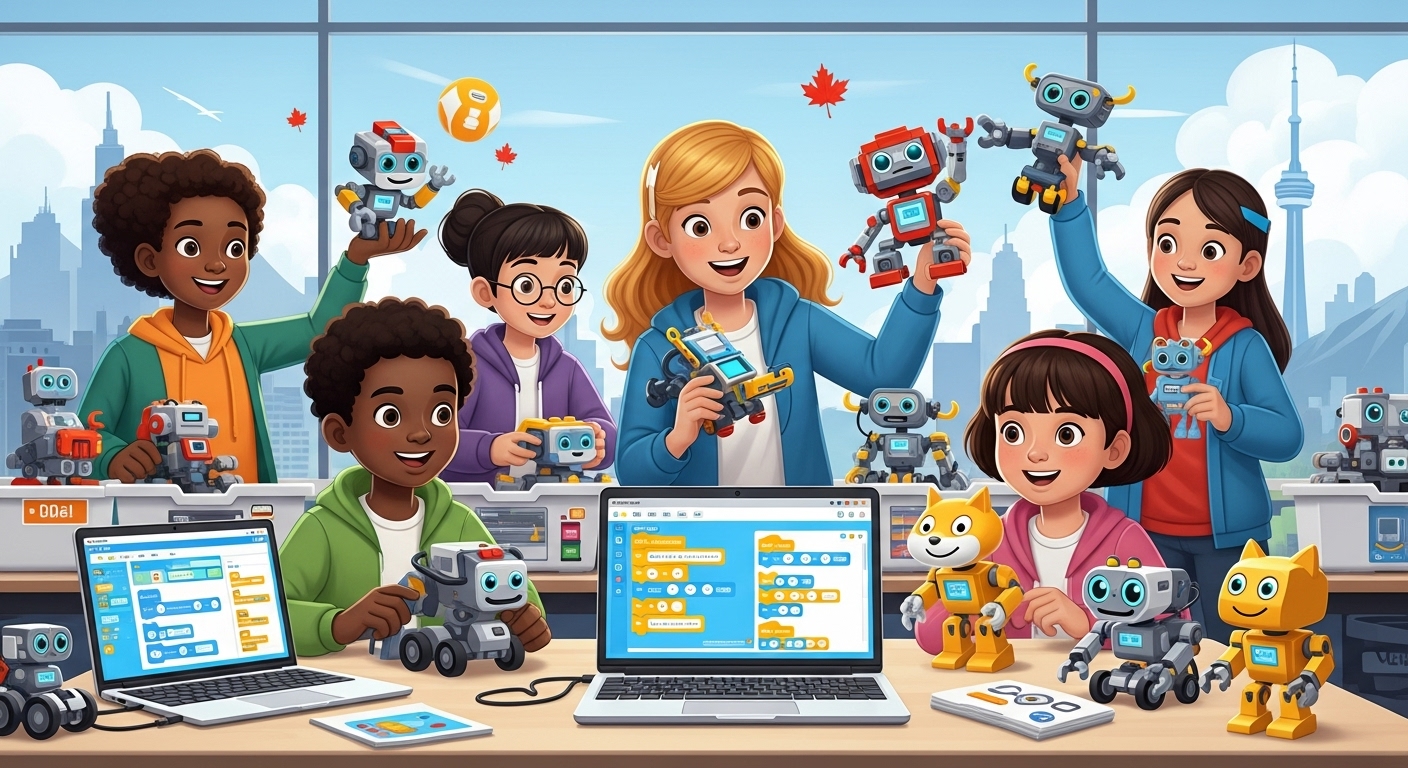
In today’s tech-driven world, robotics isn’t just about building cool gadgets, it’s about helping kids think creatively, solve problems, and understand the technology shaping their future. Across Canada, more parents and schools are recognizing the value of STEM (Science, Technology, Engineering, and Math) education, and robotics sits right at the heart of it.
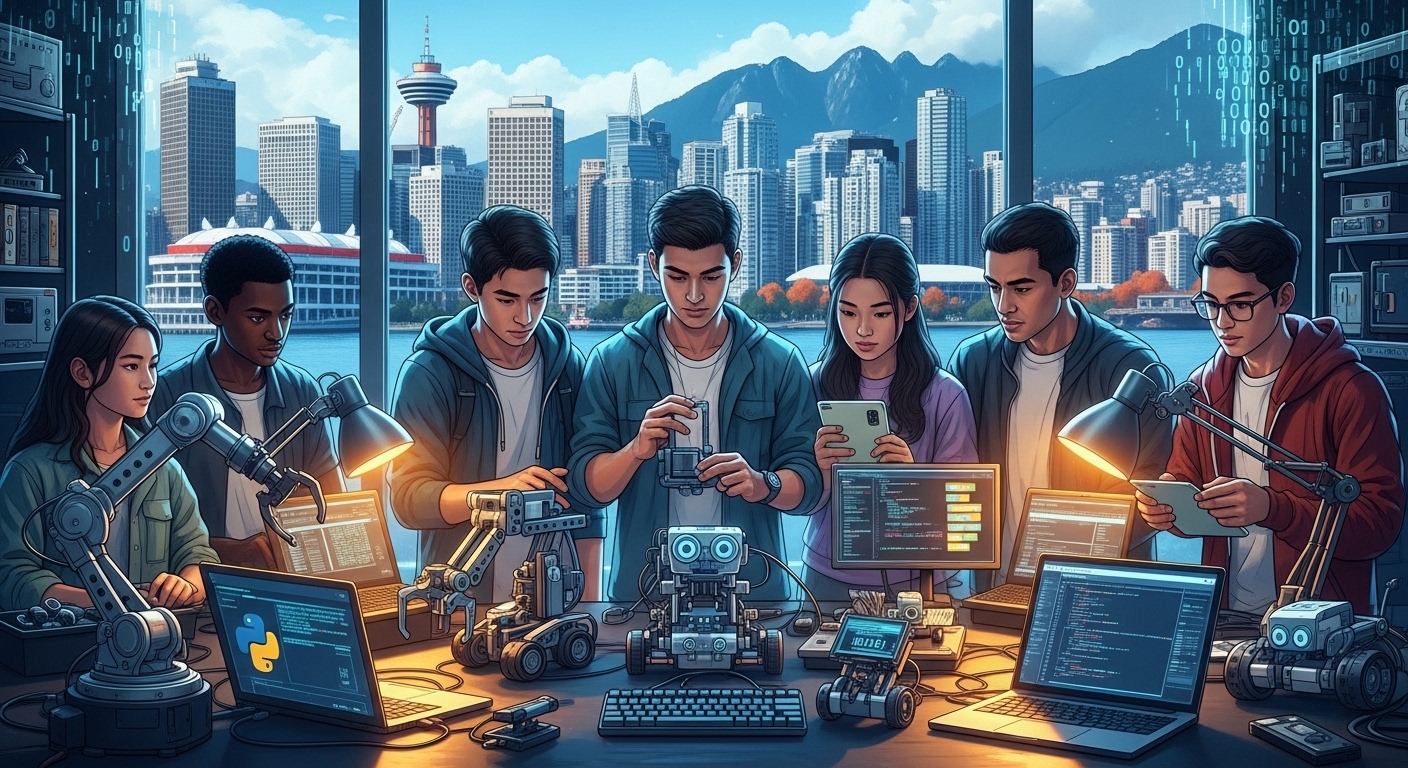
From Toronto to Vancouver, kids as young as six are learning how to code, design, and engineer robots that can move, sense, and even respond to their environment. These programs don’t just build technical skills, they boost confidence, teamwork, and critical thinking too.
Whether your child dreams of becoming an engineer, a game designer, or simply loves tinkering with LEGO, there’s a robotics class in Canada to match every interest and skill level.
Why You Should Read This Guide
If you’re a Canadian parent, educator, or tech-savvy guardian, this guide will save you hours of research. We’ve rounded up the best robotics classes for kids across major Canadian cities, along with online options you can access from anywhere.
You’ll learn what makes each program unique, how much they cost, and which ones offer the most engaging learning experience for your child’s age and interests.
Whether you’re in Toronto, Calgary, Vancouver, or Halifax, this article will help you find the perfect robotics class to spark your child’s curiosity, and maybe even launch the next Canadian tech innovator.
What to Look for in a Robotics Class
If you’re a Canadian parent exploring robotics classes for your child, it’s easy to feel overwhelmed, there are so many options out there. The good news? You don’t need to be a tech expert to choose the right one.
Here are a few things I always tell parents to look for:
Curriculum That Balances Fun and Skill
A great robotics class mixes hands-on creativity with structured coding lessons. Programs that use platforms like LEGO Mindstorms, Arduino, or VEX Robotics tend to engage kids better because they can see their code come to life. Look for classes that teach logical thinking, problem-solving, and teamwork, not just how to assemble parts.
Coding Integration
Robotics and coding go hand in hand. Classes that introduce kids to block-based programming (Scratch, Blockly) or Python are perfect starting points.
If your child already knows some coding, ask if the program scales up, many advanced courses move into C++, AI simulation, or robot sensors.
Qualified, Engaging Instructors
In Canada, the best robotics programs often hire university STEM students, engineers, or educators trained in child development. Don’t hesitate to ask about their experience — a passionate instructor can make all the difference.
Online vs. In-Person
Online programs work well for tech-savvy kids in remote areas, but in-person classes offer better social interaction and teamwork. Some of the best hybrid options include STEM Minds and MakerKids, which offer both formats.
Cost, Duration, and Certification
Expect to pay anywhere from $150–$350 for short workshops to $500–$1000 for multi-week courses. Some national programs even offer certificates or progress tracking, which is great for portfolio building (especially for older kids eyeing STEM high schools or competitions).
Top National Robotics Programs in Canada
Canada has been quietly building a strong network of robotics education leaders. Here are a few standout programs available nationwide or across multiple provinces:
STEM Minds (Aurora, Ontario & Online)
STEM Minds is a proudly Canadian company founded by educators who wanted to make tech learning accessible. Their robotics courses cover LEGO EV3, Arduino, and mBot for ages 8–14, with options both in-person and online. I like their certified online platform, it’s self-paced but still interactive with live mentor support.
Code Ninjas (Multiple Provinces)
If you’ve seen those bright orange logos in malls or community centres, that’s Code Ninjas. They’re all about teaching coding and robotics through gaming. Their “Create” program gradually introduces robotics projects, perfect for ages 7–14. The franchise has strong roots in Ontario, Alberta, and British Columbia, and parents appreciate the structured, gamified system.
Bricks 4 Kidz (Across Canada)
Bricks 4 Kidz makes robotics accessible to younger learners (ages 5–10). They use LEGO-based STEM kits and simple coding modules to teach mechanics and motion. They have locations across Canada, from Halifax to Vancouver, and often partner with local schools and community centres.
Engineering for Kids (National & Online)
This U.S.-born but Canadian-active program offers a strong mix of engineering principles and robotics challenges. Many local branches (like in Calgary, Edmonton, and Mississauga) host robotics camps using VEX IQ and LEGO EV3, encouraging teamwork and innovation.
MakerKids (Toronto & Online Canada-Wide)
One of the pioneers in the space, MakerKids started in Toronto and became one of North America’s first makerspaces for children. Their robotics curriculum blends coding, design thinking, and social-emotional skills, with flexible online sessions that work well for families across Canada.
Best Local Robotics Classes by City
Canada’s tech scene is growing fast, from Vancouver’s startup hubs to Toronto’s EdTech ecosystem, and that energy is showing up in kids’ robotics education, too. Here’s a quick look at some standout programs by city:
Toronto, Ontario
MakerKids – Flagship robotics & coding studio in Bloor West Village; excellent for ages 6–13.
The STEAM Project – Offers hands-on robotics camps with 3D printing and coding.
University of Toronto Engineering Outreach – Summer robotics and coding camps for motivated students.
Vancouver, British Columbia
Robokids Vancouver – One of the city’s most popular robotics schools using LEGO Mindstorms and Arduino.
Science World BC – Seasonal robotics workshops that make STEM learning truly exciting.
Zen Maker Lab (North Vancouver) – Focuses on robotics, 3D printing, and design thinking for ages 8+.
Calgary, Alberta
Engineering for Kids Calgary – Strong robotics camp program with hands-on engineering challenges.
MadLab Robotics – Focused on real-world robotics problem-solving and competitions.
Ottawa, Ontario
Algonquin Robotics Camp – Hands-on learning using LEGO EV3 and microcontrollers.
STEM Minds East – Offers classes and workshops through partnerships with local schools.
Montreal, Quebec
Robotique FIRST Québec – The regional hub for robotics competitions and training.
Code Ninjas Montreal – Interactive after-school and weekend robotics sessions in both English and French.
Halifax, Nova Scotia
Brilliant Labs – Atlantic Canada–based nonprofit focused on creative robotics and coding in classrooms.
Dalhousie STEM Camps – University-led summer programs introducing kids to robotics and engineering concepts.
Winnipeg, Manitoba
Manitoba Robotics League – Offers hands-on workshops and competitions for older kids (Grades 6–12).
Science Academy Winnipeg – Affordable robotics and coding programs with small class sizes.
Edmonton, Alberta
DiscoverE (University of Alberta) – Longstanding STEM camp offering robotics and engineering projects.
TechZenik – Focuses on robotics, coding, and design for ages 7–14.
Saskatoon, Saskatchewan
SaskTech Robotics – Promotes robotics for beginners and teens through community partnerships.
STEM for Kids Saskatoon – Uses LEGO and Arduino kits to teach basic robotics logic.
Victoria, British Columbia
TechUp Kids – Robotics and coding classes using Raspberry Pi and Arduino.
Victoria Makerspace – Community-based learning with hands-on robotics builds for kids and families.
Online Robotics Classes for Canadian Kids
Not every family has a robotics camp just around the corner, especially if you’re living outside the big metro areas. Thankfully, online robotics programs have really taken off in Canada over the past few years, offering flexible, high-quality learning right from home.
Here are some standout options Canadian parents can look into:
MakerKids Online – Founded in Toronto, MakerKids was one of the first programs in North America to teach coding and robotics to kids. Their online platform is a gem, small class sizes, live instructors, and real Canadian time zones. They even use tools like Arduino and micro:bit, so your child gets genuine hands-on practice.
RoboGarden – Based in Calgary, RoboGarden partners with schools across Canada to bring structured, game-based coding and robotics lessons online. What’s nice is the platform scales from beginner to advanced levels, and you can track your kid’s progress as they “level up.”
Tynker & Code.org (Canada-friendly platforms) – While not Canada-exclusive, these global platforms are popular among Canadian teachers. Tynker even integrates with LEGO® robotics kits, which makes the jump from screen to real-world builds super smooth.
Most online robotics courses cost between $20–$50 per session, depending on the instructor and tools used. Many offer free trials or sibling discounts, so it’s worth shopping around.
Expert tip: Look for courses that combine hands-on kits + virtual instruction. Purely screen-based learning can be fun, but connecting circuits, sensors, and motors in real time gives kids that “aha!” moment that screens alone can’t replicate.
Robotics Competitions and Clubs in Canada
Canada’s robotics scene isn’t just about classes — it’s also about community. Across the country, thousands of students participate in robotics leagues and competitions that blend teamwork, engineering, and creativity.
Here are some of the most exciting ones worth knowing:
FIRST Robotics Canada – This is the gold standard for youth robotics. Kids as young as six can start in FIRST LEGO League Explore, and older students can move up to FIRST Tech Challenge or FIRST Robotics Competition. Many Canadian schools and community centres sponsor teams, and national events are held in Ontario, Alberta, and Quebec.
VEX Robotics Canada – A major global program with strong Canadian participation. VEX competitions teach mechanical design, coding, and collaboration, and teams from places like British Columbia and Nova Scotia have gone on to compete internationally.
RoboCup Junior Canada – A bit more academic and research-oriented, this one introduces AI and robotics concepts. Students build autonomous robots that play soccer or perform rescue missions, yes, it’s as cool as it sounds.
Joining a club or competition might sound intimidating, but they’re open to all skill levels. Many local libraries, schools, and makerspaces, like Science World in Vancouver or Brilliant Labs in Halifax, run entry-level programs that lead directly into these competitions.
Canadian insight: Robotics competitions teach more than tech. Kids pick up teamwork, project management, and confidence, all skills that serve them long after the robot’s been powered down.
Parent Tips: Encouraging Kids in Robotics at Home
You don’t need to be an engineer to nurture your child’s curiosity in robotics. Here’s how to start small at home, no soldering iron required.
1. Try DIY Robotics Kits
Some of the most popular beginner kits for Canadian families include:
LEGO® Education SPIKE™ Prime – Great for ages 9–14, combines building and coding in Scratch-style blocks.
Arduino Starter Kit – Ideal for teens, introduces real electronics and sensors.
micro:bit – Affordable (around $25 CAD) and easy to program using MakeCode.
Canadian retailers like Canada Robotix (Toronto) and BC Robotics (Nanaimo, BC) stock these kits, so you can avoid import delays or customs fees.
2. Mix Learning with Play
Let your child explore robotics through creativity, building a “pet robot” that reacts to sound, or coding a mini car to follow lines on the floor. The goal isn’t perfection; it’s discovery.
3. Encourage STEM Habits
Create small challenges:
“Can your robot clean up LEGO pieces?”
“Can you make it stop when it senses light?”
These simple projects spark problem-solving, the core of robotics.
4. Join Online Parent Communities
Canadian Facebook groups like STEM Moms & Dads Canada or Maker Parents Toronto are great places to swap ideas, get kit recommendations, and find local workshops.
Tech expert’s note: The earlier kids see that robots aren’t magic, they’re made, the faster they start thinking like creators. And that’s what we need more of in Canada’s tech future.